State of the Logos Network: March 2026
Your roundup of recent developments from the Logos social movement and tech stack
Logos


Logos Testnet v0.1 now live
March saw the first iteration of the Logos Testnet, v0.1, go live. The testnet brings together the full stack of protocols into a single, working system. Consensus, execution, networking, storage, and messaging are now integrated into a unified, modular architecture, forming the early foundations for private-by-default socio-economic infrastructure. For developers, it opens a new frontier: a live environment to run nodes, experiment with modules, and explore how these systems behave under real network conditions.
This initial testnet focuses on validating the foundations: stress testing integrations, exposing APIs, and proving that the stack functions end-to-end.
Learn more about Logos Testnet v0.1.
Explore Logos Builder Hub
Alongside the testnet, we also launched Logos Builder Hub in March. If you want to explore the stack and start building, you should make Logos Builder Hub the first stop on your journey. It has everything you need in one place: documentation, a submission portal for ideas, details of our RFP process, sample apps, open Lambda Prizes, and access to support from the devs building Logos.
It's also where you can install Logos Basecamp, a complete distribution that bundles the runtime, core modules (Blockchain, Messaging, and Storage), and UI into a single environment. Everything runs on hardware you control, meaning greater privacy, resilience, and data sovereignty, as well as offline functionality.
Start hacking on the frontier via Logos Builder Hub now.
Parallel Society takes over Lisbon
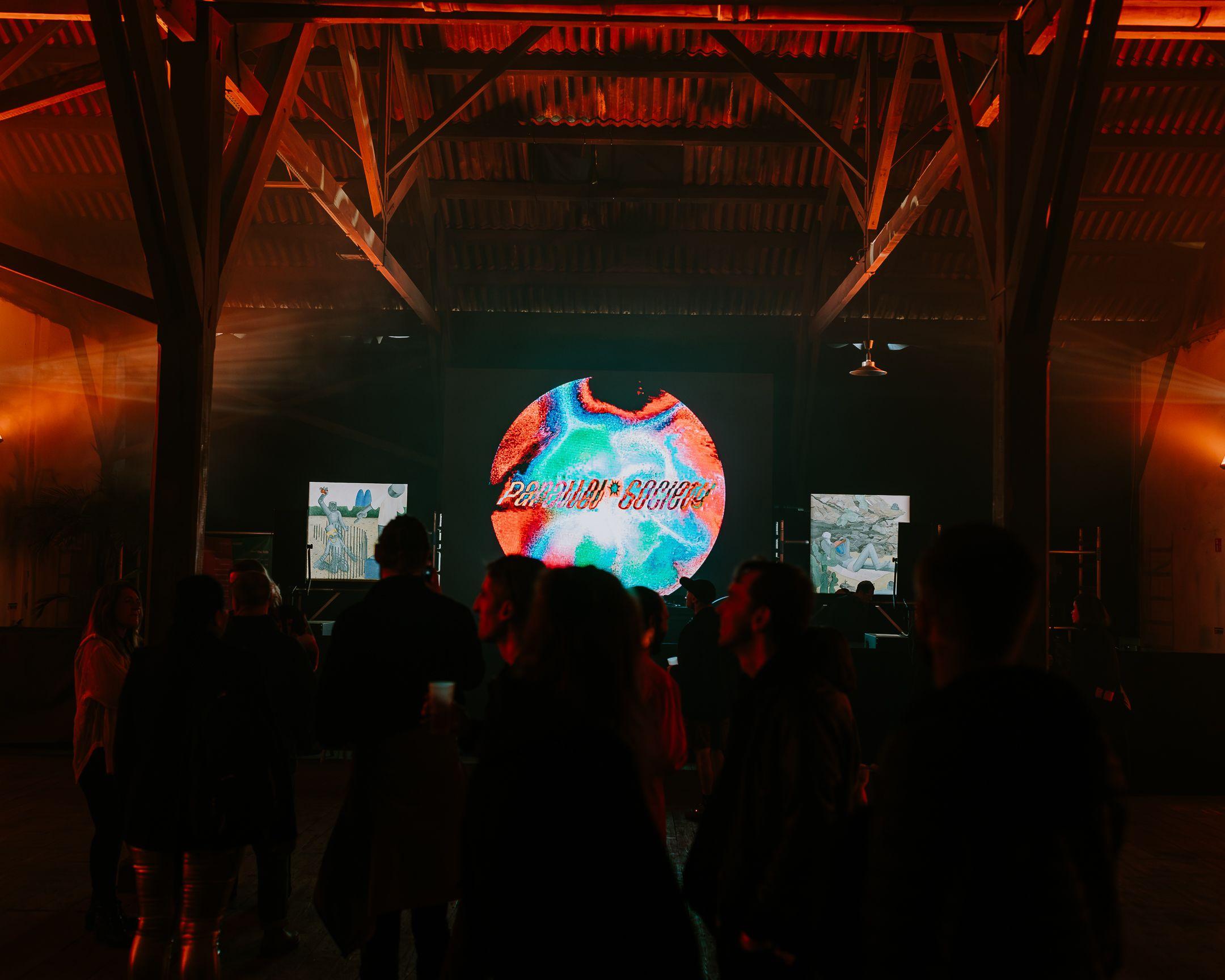
Parallel Society, the flagship event of the Logos calendar, brought together just under 2,500 technologists, pioneers, activists, and independent thinkers and 44 coalition partners to build, forge new bonds, and find their place in the Logos movement on 6 and 7 March.

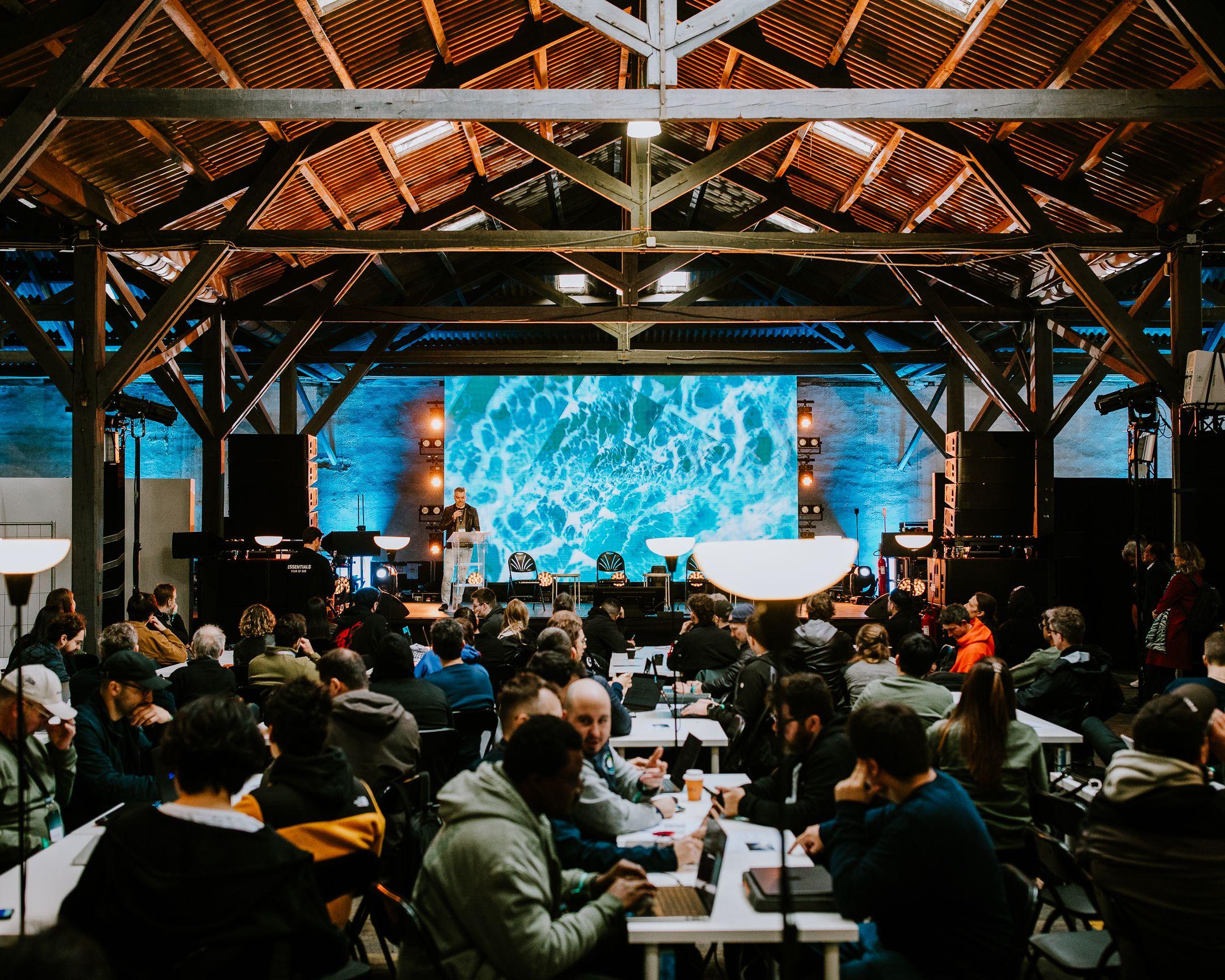
Day 1 focused on the ideas and tech behind our movement. We divided the industrial-turned-creative space in Marvila, Lisbon, into five zones themed around key Logos values: Privacy, Decentralisation, Culture, Community, and Free and Open Source. Following a rousing introductory presentation by Logos cofounder Jarrad, participatory sessions spanned the venue all day.

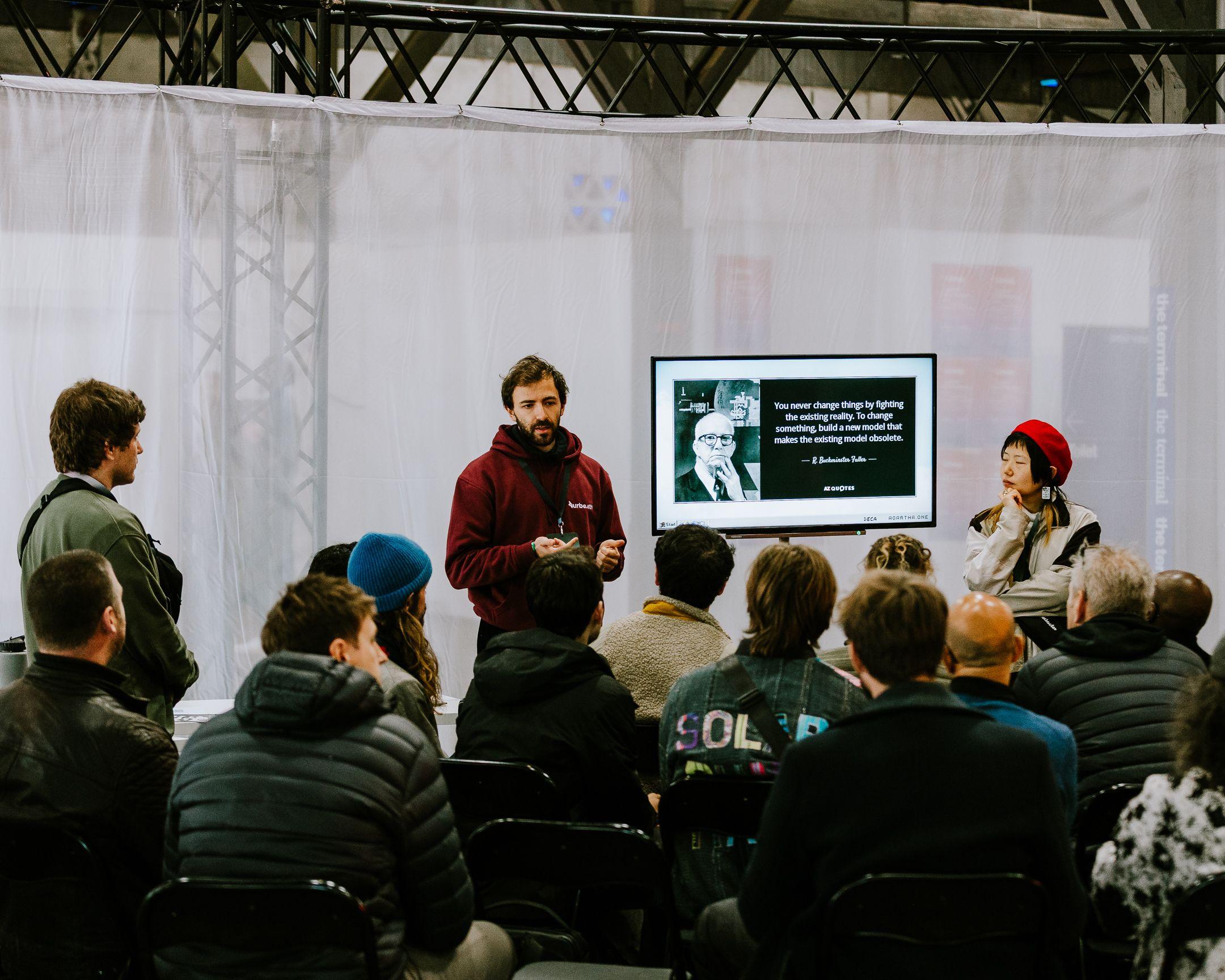
From hands-on workshops like running your own Logos node and writing programs for the Execution Zone, to discussions on digital rights, governance, and decentralised dispute resolution, the programme blended practical building and inquiry into how societies coordinate. Sessions on decentralised tech, pop-up cities, and alternative economic models sat alongside community-led conversations and open workshops, charging the venue with an energy of learning, debate, and experimentation.

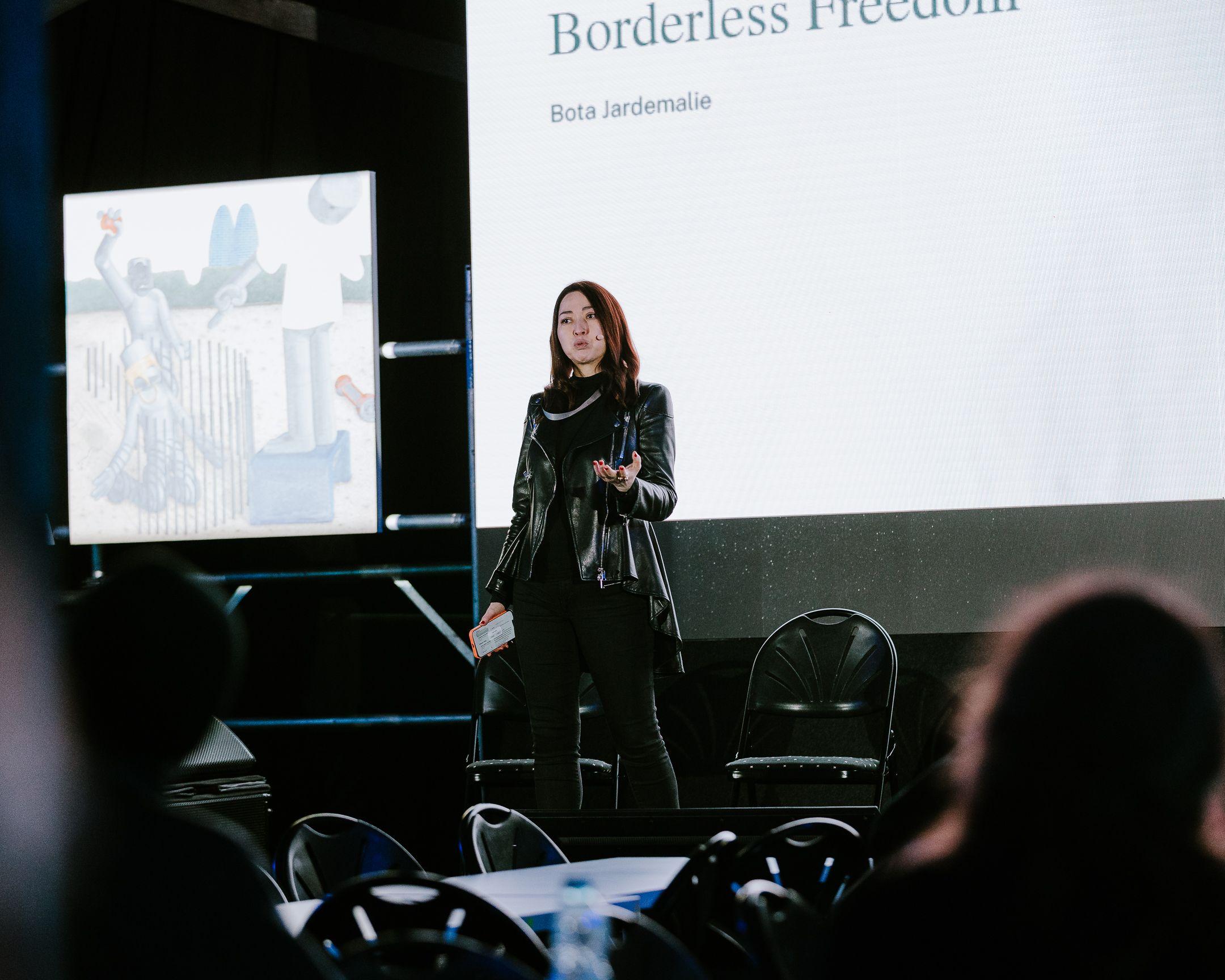
Day 2 of Parallel Society turned toward culture as an extension of the ideas explored on Day 1. Rooted in a DIY ethos, the day celebrated underground innovators and emerging voices, showing how culture is a layer of coordination that shapes identity, narrative, and collective meaning.

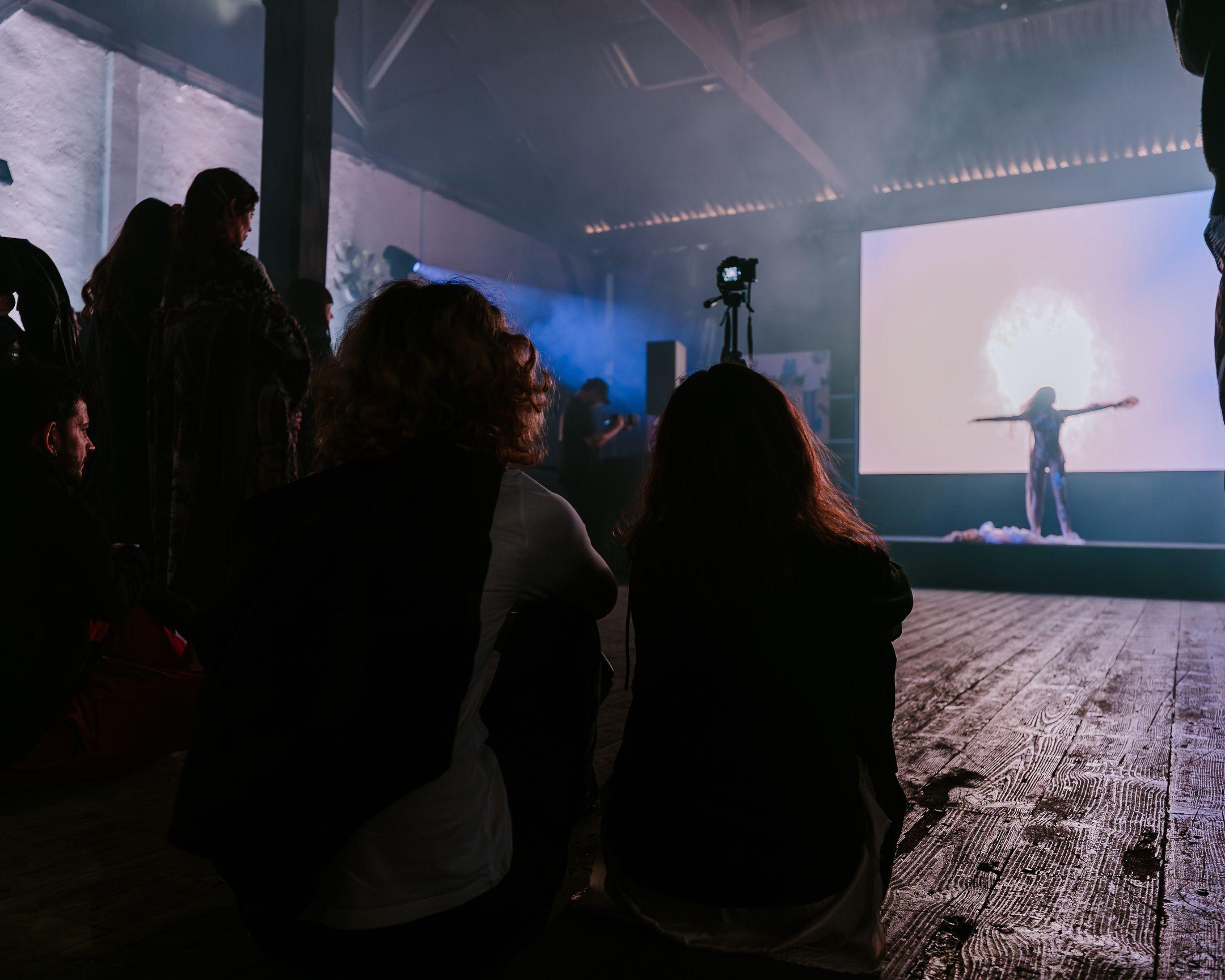
Across the Terminal and the Lab stages, a global lineup brought this vision to life. Live sets from Gilles Peterson with MC Rob Galliano, Clark, and Moses Boyd took place alongside performances and AV experiences from artists like DJ Stingray 313, Los Bitchos, Calibre, Kode9, and Violet. If Day 1 built the systems, Day 2 was all about how those systems are felt, expressed, and ultimately sustained.


If you couldn't join us in Lisbon or just want to relive the experience, we recorded most of the Day 1 programme and Day 2 performances, and we'll put them online soon. Keep an eye on Logos socials to watch them as soon as they're live.

Privacy Builders Bootcamp coming soon
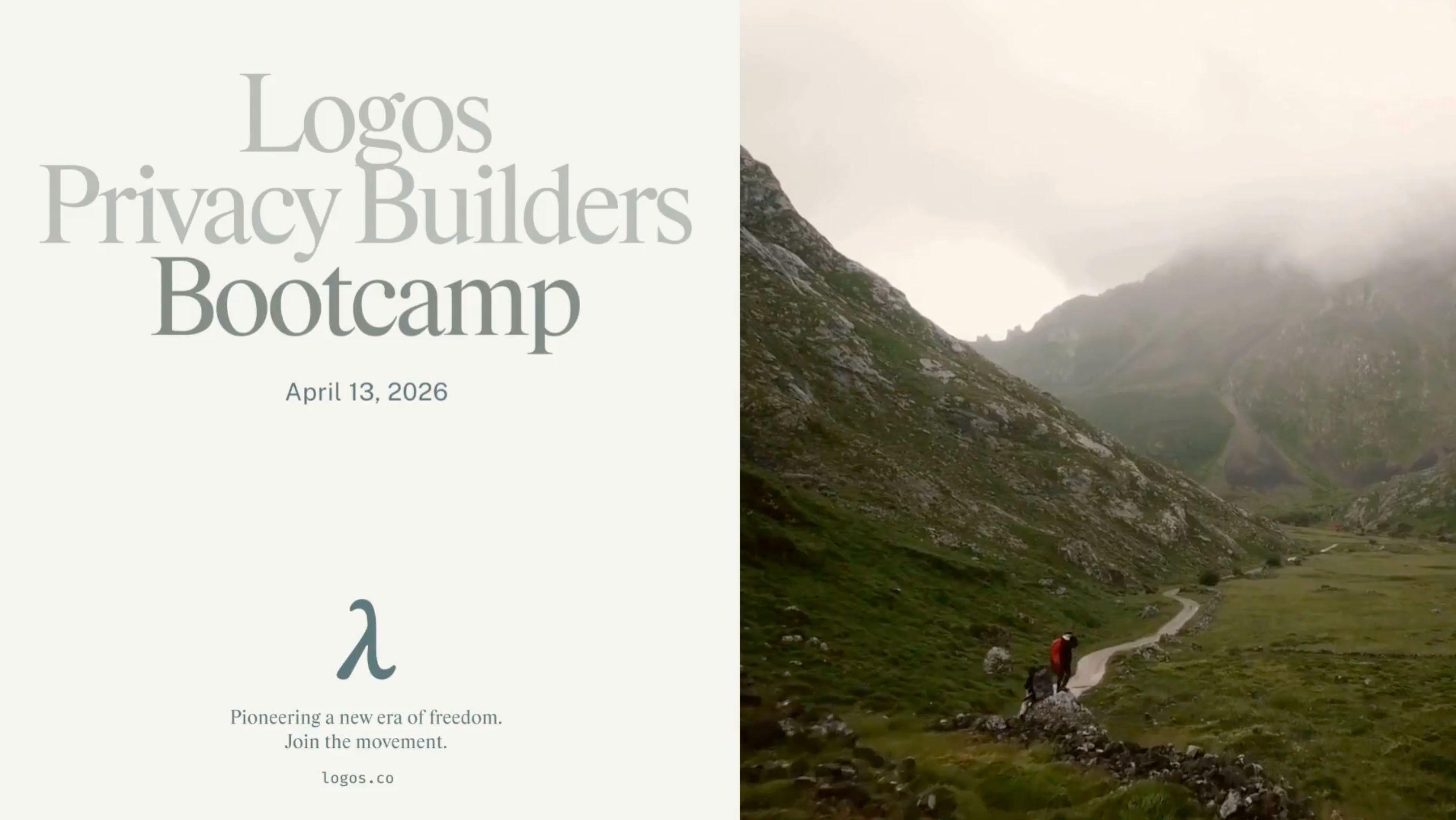
We just announced the Logos Privacy Builders Bootcamp, starting on 13 April in collaboration with Encode Club. This one-month, hands-on programme will show developers how to run a Logos node, interact with the Logos Execution Zone, and dive into the core modules powering the system – Blockchain, Messaging, and Storage – to understand how private-by-default applications are built.
Logos contributors will host a series of focused workshops and vibecoding sessions, taking devs through the fundamentals of the Logos Builder Hub, before diving into app development. The programme is particularly suited to developers who want to build maximally private applications without compromise.
Learn more about the Privacy Builders Bootcamp and register to take part.

Logos Circles
Circles are community-led meetups taking place worldwide, focused on addressing local challenges through grassroots initiatives supported by Logos technology. The Logos community has formed more than 100 Circles around the world to date, with thousands of registrants participating in initiatives to solve local, winnable issues. Each Circle is open to new participants who want to get involved.
Check the Logos events calendar to see if there’s a Circle in your area and propose a new one if there isn’t.
Learn more about Logos Circles.

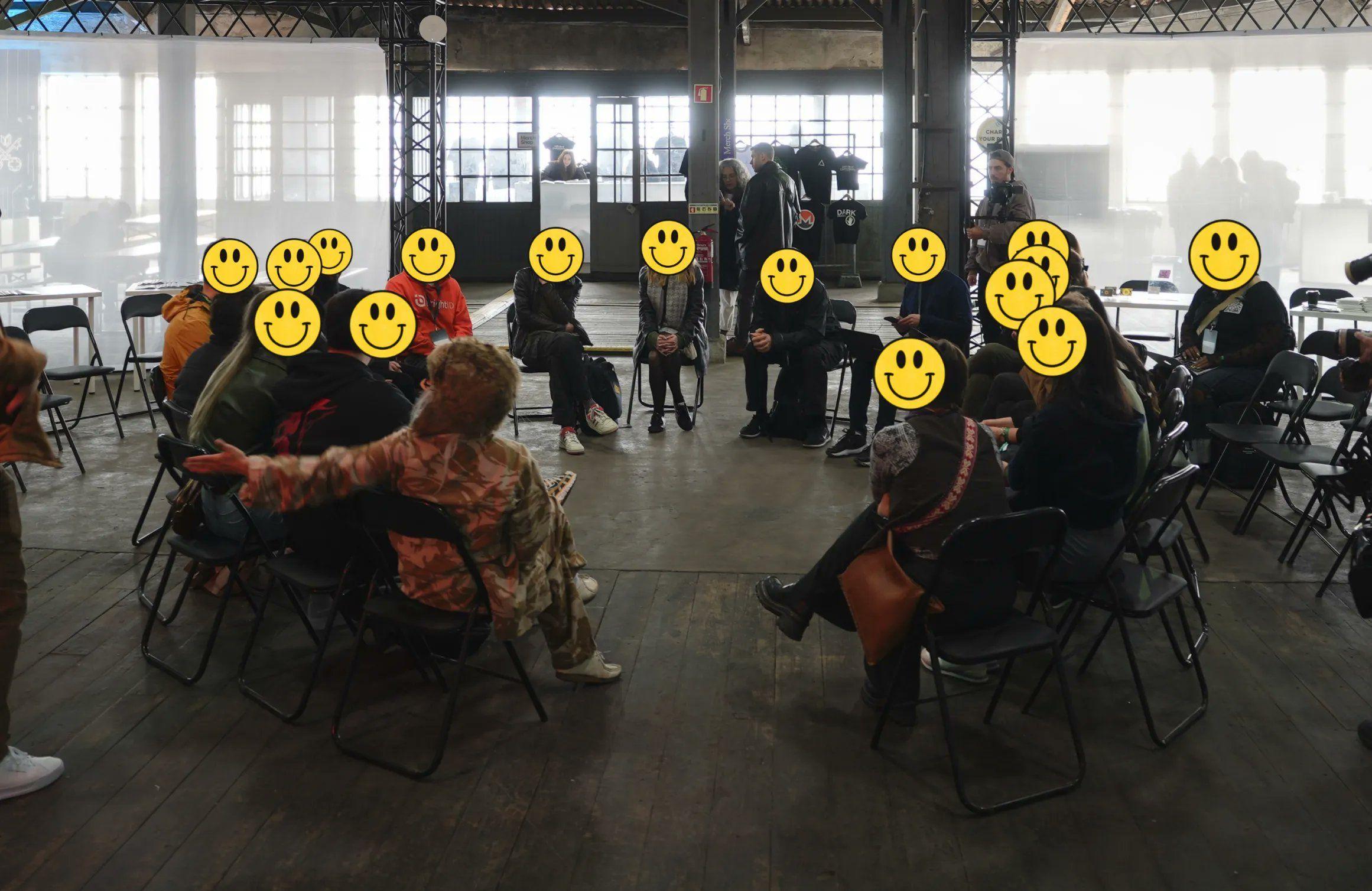
Several Circles met in cities around the world and online in March:
- Barcelona: Identified product traceability for small businesses as a key winnable issue, focusing on blockchain-based solutions for quality tracking across sectors like food, water, and fashion. Next steps include co-authoring a practical article, exploring real-world applications, and improving outreach to grow participation.
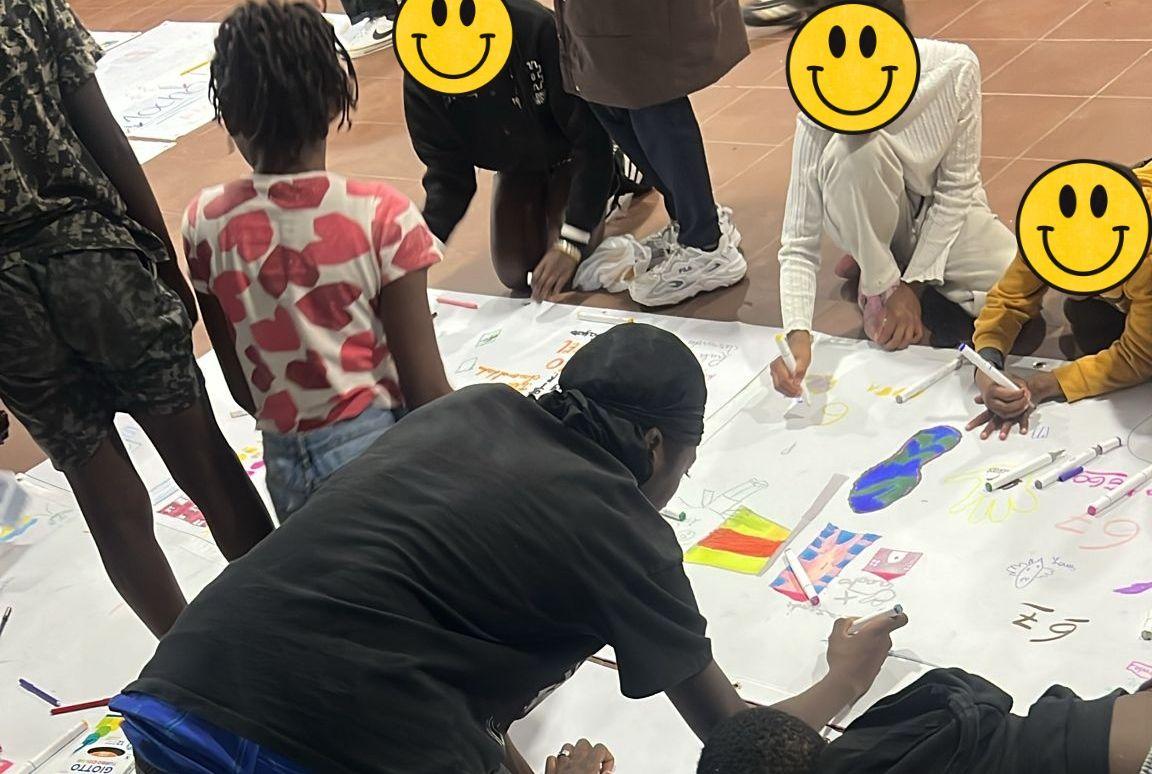
- Lisbon (Parallel Society warmup): Brought together Circle Stewards from 10 cities around the world to share local insights and strengthen collaboration across communities. Also supported a community-led event in Quinta do Mocho featuring health checks, cultural celebration, and traditional games, with next steps focused on deepening local partnerships and continued cross-city coordination.
- Benin: Focused on community welfare and student coordination as winnable issues, demonstrated through a successful crowdfunding effort and the development of the Zeqah Study Group structure. Priorities include leadership onboarding, securing study venues, reliable power supply, and coordinator support. Next steps include advancing logistics planning and launching applications ahead of the next meetup.
- Ebonyi: Identified education, agriculture, climate, and healthcare as potential winnable issues, focusing on improving digital access, modernising practices, and increasing accessibility and resilience across sectors. Next steps include deepening collaboration and reconvening in April to advance concrete solutions.
- Abeokuta: Identified access to funding and digital opportunity for female entrepreneurs as key winnable issues, focusing on launching a transparent crypto donations platform and supporting women to access online entrepreneurial education. Next steps include completing the FundBrave-based platform and initiating fundraising to onboard the first cohort of participants.
- Ghana: Identified digital literacy gaps as the Circle's key winnable issue, focusing on practical skills training, cybersecurity awareness, and support for small businesses. Next steps include advancing these initiatives and reconvening in April to track progress.
- Ruse: Identified civic participation and governance integrity as winnable issues, focusing on an anonymous platform for community input and a decentralised remote voting model to address electoral trust. Next steps include developing proof-of-concept documentation and improving attendance and outreach ahead of future meetups.
- Cape Town: Identified food access/distribution and safe streets as the most promising winnable issues. Next steps include confirming the next gathering, refining facilitation and outreach (especially to underrepresented groups), and selecting a focused issue based on committed participants.
- Buenos Aires: Identified education, health access, free zones, and cyber state viability as initial areas of interest. Next steps include confirming the next gathering, setting up a platform for group communication, and selecting a focused issue to act on.
- Berlin: Reactivated the Circle, aligned on goals, and identified a “winnable issue” around practical online privacy resources for parents. Next steps include refining the concept, testing feasibility, and progressing it at the next gathering.
- Abuja: Identified city navigation challenges as a clear, winnable issue, with a WhatsApp-based navigation assistant gaining traction as a practical MVP. Also surfaced an opportunity to link this with the school pilot, where students could contribute local route knowledge and testing. Next steps: build MVP, test, and onboard a second school for the pilot.
- Barcelona: Continued work on a food traceability project. Next steps include sharing project updates, advancing the platform idea, and exploring a beginner-friendly privacy workshop alongside onboarding new members.
- London: Identified productivity stagnation, high tax and debt levels, uneven infrastructure (strong digital, weak physical), and QE-related fiscal pressures as key issues, alongside rising R&D investment in AI and data centres. Next steps include scoping high-win, medium, and long-term issues to develop targeted local campaigns and pilot practical solutions.
- Online: Logos Circle: A weekly collaborative, participatory space where Circle participants can share their work on winnable issues and deepen their understanding of the Logos mission. Join the conversation every Tuesday for the English language Online Circle or Wednesdays for the Spanish language Circle.

April Circles are already being organised in:
- Nairobi (1 April): Get involved.
- New York City (2 April): Get involved.
- Porto (7 April): Get involved.
- Rome (8 April): Get involved.
- Lisbon (8 April): Get involved.
- Mexico City (9 April): Get involved.
- Abeokuta (11 April): Get involved.
- Ruse (18 April): Get involved.
More April Circles are still in the planning stages; be sure to check the Logos events calendar for Circles near you.
If there isn’t a Circle in your area, start one! Let us know your plans via the Contribute Portal.
Tech stack highlights
March saw much of the technical work focused on the rollout of Logos Testnet v0.1, an early release of the Logos network aimed at testing core infrastructure and operating core modules in a live environment for developers to experiment and build with.
This release marks the first time the full Logos stack was brought together into a unified, modular system.
In addition, Logos Core pushed a major architectural cleanup, separating transport layers and untangling dependencies with a new Nix layer, while Messaging launched a Rust client for Logos Chat and integrated the Delivery module for transport.
Zerokit v2.0.0 was shipped with multi-burn RLN support, and the Blend protocol received several upgrades, making it better able to handle duplicate messages and improving both session stability and peer management.
System-wide observability was also expanded with devnet diagnostics and new monitoring dashboards, giving much clearer insight into real-world performance and reliability.
Further technical details are covered in the full technical developer update on Logos Press Engine.
Logos Press Engine
Logos Press Engine mostly focused on the testnet launch in March, with predominantly technical articles about the current architecture and how it delivers unmatched privacy and truly sovereign apps.
In March, we published:
And we have plenty more articles in the pipeline for April, including some inspiring community submissions.
Logos Press Engine thrives on community contributions. If you have something to share, submit an article proposal, and we’ll help you to bring it to life.
We've also added a few more chapters to the open-source Spanish edition of Farewell to Westphalia, too. Download it for free now. If you want to help translate Farewell to Westphalia into other languages, submit a proposal via Logos Contribute.
Logos Broadcast Network

Through the Logos Broadcast Network, you can access a wide variety of content, including Online Circles in both English and Spanish, Logos Dev Club sessions where engineers showcase and discuss their work on the Logos stack, research talks exploring the bleeding edge of distributed systems, in-depth philosophical discussions, and updates from across the broader Logos ecosystem.
In March, our Thursday X streams included a deep dive on privacy hardware with Hakeem Anwar from Above Phone, a discussion on the redistribution of sovereignty with Francesco Moiraghi of Unruly Capital, and James of Ârc joined us to talk about the nuances between parallel societies and network states.
Follow Logos on X to join these discussions every Thursday.
Logos Circle: Online meets weekly. Anyone interested in the Circles initiative can join these sessions to explore how to start a Logos Circle and hear insights from participants who are already driving change in their local areas.
Logos Circle: Online takes place every Tuesday on the Logos X account.
On the technical front, Logos Dev Club hosted a session on privacy and sovereignty considerations as they relate to AI with 0xSero and a deep dive on Logos Blockchain’s architecture.
Follow Logos Tech on X to take part in more technical deep dives and demonstrations.
We now run Logos Office Hour every Friday at 12:00 UTC. If you have an idea, a criticism, or just need some hands-on help getting started with the Logos stack, join a session and chat with the engineers building Logos.
March will be another busy month for Logos Broadcast Network. Check the calendar to see what’s coming up.
Community champions
Just as technology has no meaning without people, Logos is shaped by its community. Each month, we spotlight those who build with us, champion our mission, and make enduring contributions to our movement.
Here are March's community champions:
- Herb for their work on implementing the TIME protocol on the Logos stack.
- Shayan for setting up a Logos node for the Lisbon Circle and getting stuck in fixing testnet bugs.
- Alisher for their work on a decentralised note-taking app running on Logos.
- Bristin for proposing Drox, a new-age social and travel mobile app running on Status Network and Logos.
- Beach Bum for building Ghost Drop, a whistleblower publishing platform on Logos.
- Buray for building a CLI tool for inspecting the Logos blockchain state during local development.
- 0xSero for joining the Logos X Space on AI and privacy.
- Lou for everything she did to make Parallel Society an amazing and valuable community-building experience.
- Deca for publishing "The Logos Metasolution" on the Agartha.One blog.
- All those listening in or taking part in a Logos Broadcast Network stream.
- All the Logos Circles stewards and attendees.
- Everyone who hacked with us at Parallel Society.
- Anyone who has posted or talked to friends about Logos in March.
You could be in the next community shoutout. Write something thoughtful, build something cool, find bugs in our code, or get involved however you can. Our movement is only as strong as the community pushing it forward.
We're building infrastructure to revitalise civil society. We need developers, designers, writers, and activists to help shape it. Build on Logos. Run a node. Take part in what comes next.
Discussion
Logos
Logos
Bathang
Logos
Logos
Logos
Logos
Logos
Logos
Logos
Logos
Logos
Logos