State of the Logos Network: February 2026
Your roundup of recent developments from the Logos social movement
Logos

Logos Testnet v0.1 Imminent
Logos Testnet v0.1 is arriving very soon. And we do mean very soon.
This early testnet marks a major step toward system-level sovereignty, where apps run locally, communication and storage are peer-to-peer, and access is truly permissionless.
Beware: This first release will be raw, experimental, and intentionally unpolished. Restarts will happen, and things will break, which is exactly why we’re inviting builders and experienced node operators to help us battle test the network and our assumptions.
Follow socials. Stay tuned for announcements. Sign up for the node programme now and be among the first to support Testnet v0.1 with it goes live.
Last chance for Parallel Society tickets

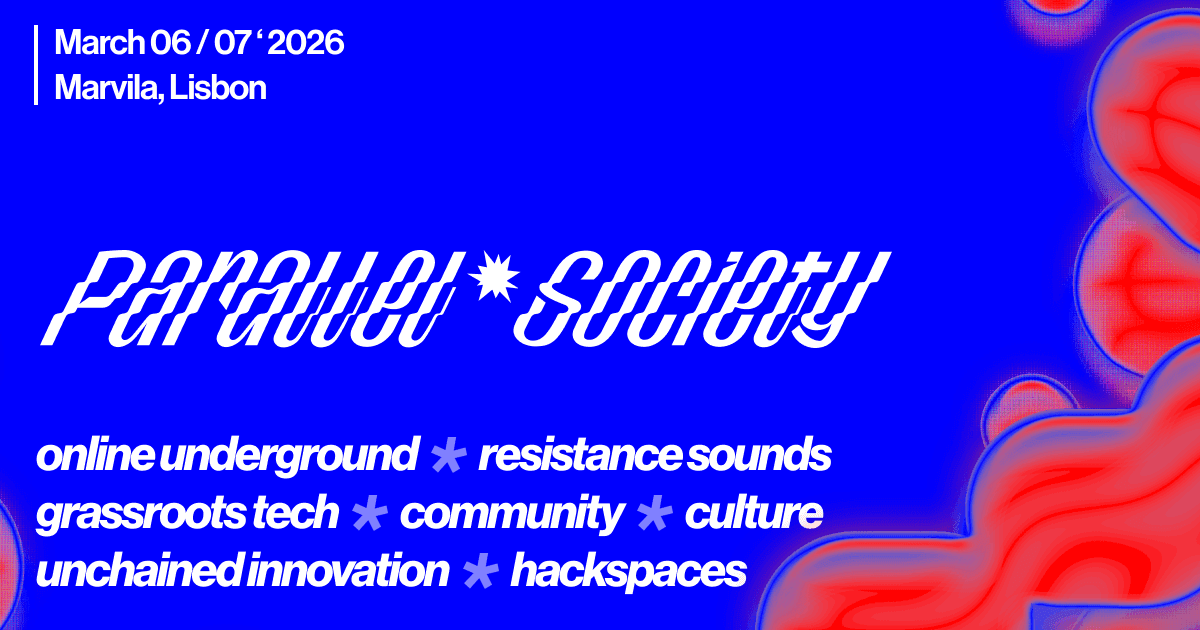
Parallel Society is right around the corner. Starting Friday, 6 March and culminating on Sunday in the early hours, the event brings together the two sides of the Logos movement: the technology and the people building communities and cultures on top of it.
There are still a few tickets left for Parallel Society Day 1 (the [un]conference) and Day 2 (the cultural festival). Get one here and join us for an event like no other.
Day 1 is a participatory gathering curated by the Parallel Society coalition. Each of the event's five zones reflects a touchpoint of the Logos mission: FOSS, Decentralisation, Privacy, Community, and Culture.
The full coalition-curated Day 1 programme and session times are now available here.
We're thrilled to be working alongside a coalition on the frontier of parallel organising, alternative governance, and freedom-aligned technologies. Hosting the Privacy Zone are DarkFi, Nym, MoneroKon, Women in Web3 Privacy, Web3 Privacy Now, Zano, Haven, and Swarm. Managing the Free-and-Open-Source Zone are the Tor Project, Logos, Keycard, Status, Internet Archive, and Above Phone.
The Decentralised Zone programme comes via Funding the Commons, dEdu, PsyDAO, Kleros, Status Network, Delta Y, Spritz, Unruly Capital, BrightID, Sealand, and Venice.ai. The Day 1 Community Zone schedule is brought to you by Agartha.One, Blockchain.pt, CODA, Instituto New Economy, Layer X, Taikai, Nova, SAD, Zanzalu, ZuAfrique, ZuGrama, Liberland, Gnosis Circles, Crescimento, The Block Lisboa, Anden, and Charter Cities Institute. Finally, the cultural programme is the work of PsyDAO, Rádio Quântica, COOP Studio, Fábrica Moderna, Manja, Rare Effect, and SitWith.
After Day 1’s technical deep dives, Parallel Society Day 2 unites a diverse cast of creators for a celebration of human culture. The programme spans musical genres and scenes, reflecting Parallel Society values: openness, pluralism, and experimentation.
True to the spirit of the gathering, the lineup also highlights the Lisbon underground, with around two-thirds of performers hailing from the city and its surroundings.

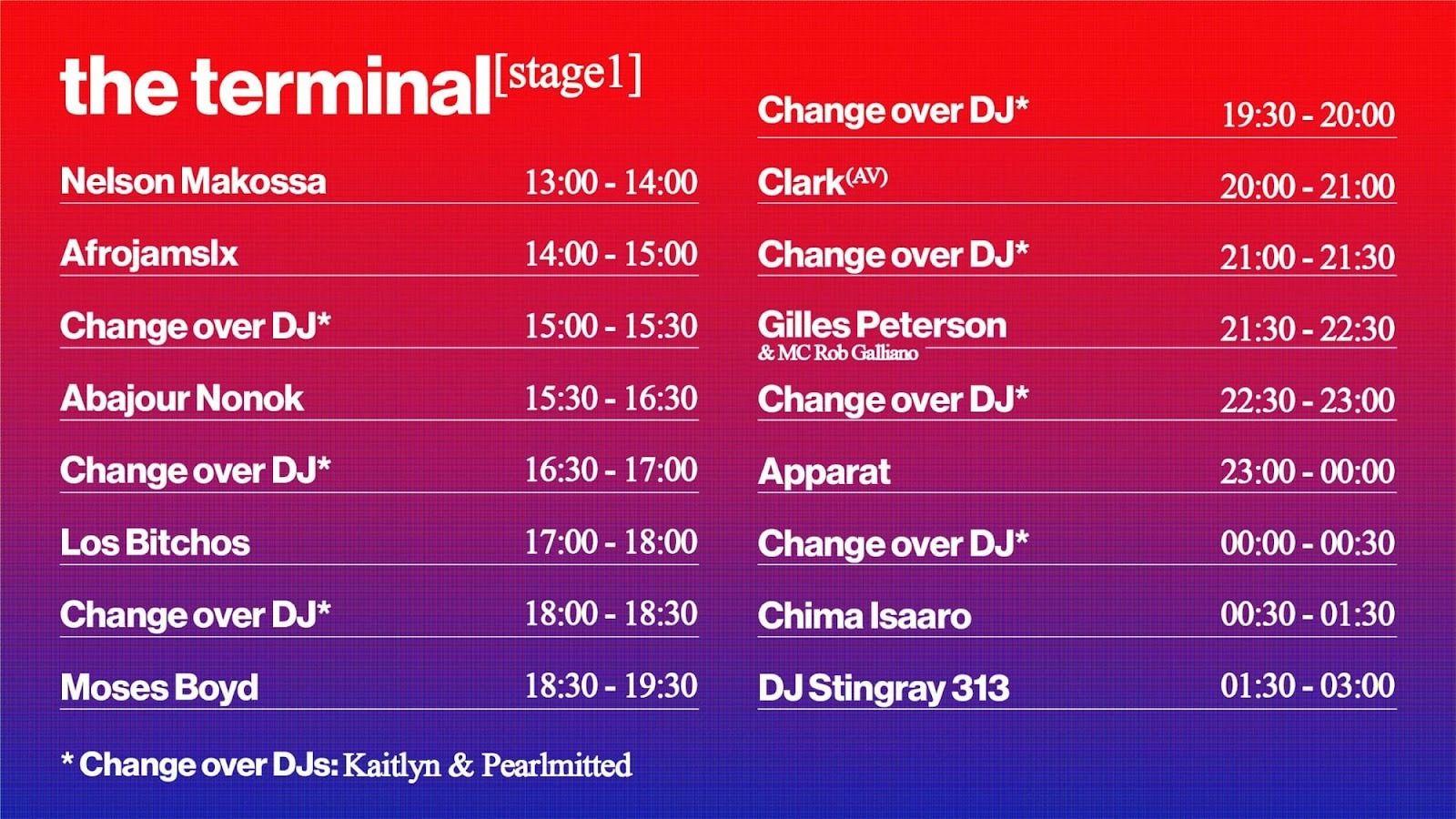

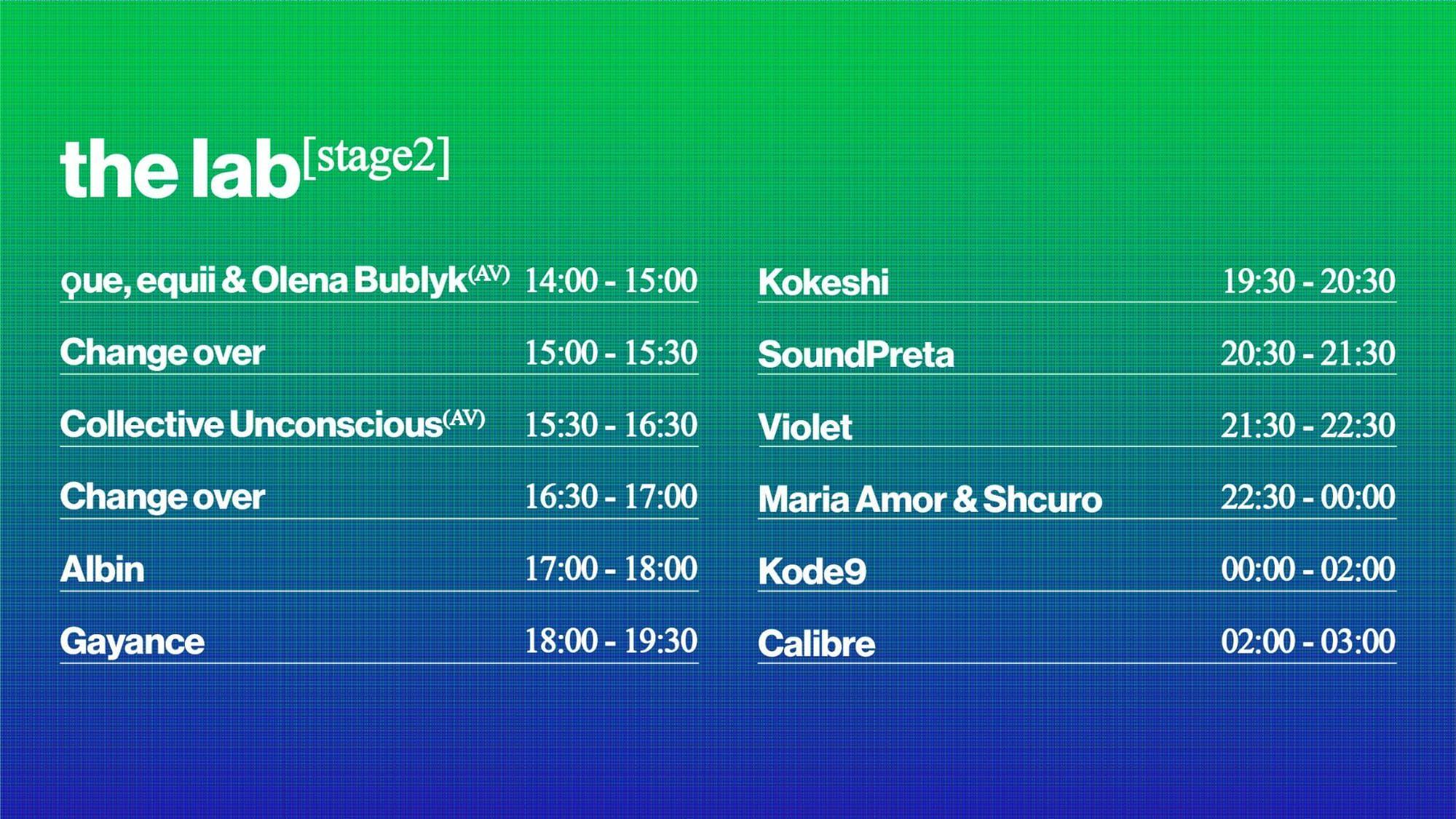
Logos Press Engine will be there, too. We have copies of Farewell to Westphalia available at a discounted price from the RRP. We also have a brand new zine that reflects last year's consolidated identity and tech stack. Come see us and grab some literature!
Secure your tickets or learn more about Parallel Society.
Logos Press Engine
As we near the launch of Testnet v0.1, Logos contributors have been diving deep into the technology stack, considering Logos as a fully composable operating system, why we even need such a stack, and the opportunities that parallel organising present.
In February, we published:
Logos Press Engine runs on community submissions. If you have something you want to add to the conversation, submit an article proposal, and we’ll work with you to get it out there.
Logos Broadcast Network

Through the Logos Broadcast Network, you can tune in to a range of programming, including Online Circles (in English and Spanish), Logos Dev Club sessions where engineers demonstrate and discuss their work on the Logos stack, research calls from the frontier of distributed systems, philosophical deep dives, and updates from across the broader Logos movement.
In February, our Thursday X streams largely focused on supporting recent Logos Press Engine content, with Corey Petty joining to discuss how much data we all leak just through routine online activity, and Mariana Carmona joining us to chat about polycentric institutions in the era of blockchain governance.
We also hosted Parallel Society coalition partners to talk about their work ahead of the event. Contributors from Charter Cities Institute and Instituto New Economy joined us to discuss talent hunting and jurisdictional challenges for aspiring parallel societies. Finally, Mr Kwibs from Zano came on to discuss their tech and privacy-first building.
Follow Logos on X to get involved with these regular discussions every Thursday.
The Logos Circle: Online meets weekly. Anyone interested in the Circles initiative can join these sessions to explore how to start a Logos Circle and hear insights from participants who are already driving change in their local areas.
Logos Circle: Online takes place every Tuesday on the Logos X account.
On the technical front, Logos Dev Club covered the vision and technical progress of the Logos ecosystem, hacking on Status application and OpenClaw, and developer entry points, including running nodes and contributing to the stack’s development. We also continue to stream weekly technical updates from engineering teams via our YouTube channel.
Follow Logos Tech on X to take part in these technical deep dives and demonstrations.
We want as many people running Logos tech as possible at launch. To support this, we’re now running Logos Office Hour every Friday at 13:00 UTC. If you have an idea, a criticism, or just need some hands-on help getting started with the Logos stack, join one of the sessions and chat with the engineers building Logos.
March will be another busy month for Logos Broadcast Network. Check the calendar to see what’s coming up.
Logos Circles
Circles are open gatherings held around the world to identify and solve local challenges through grassroots action powered by Logos technology. Community members establish Circles in their towns and cities, meeting regularly to collaborate, organise, and grow. Each Circle is actively welcoming new participants ready to contribute.
Check the Logos events calendar to see if there’s a Circle in your area and propose a new one if there isn’t.
Learn more about Logos Circles.

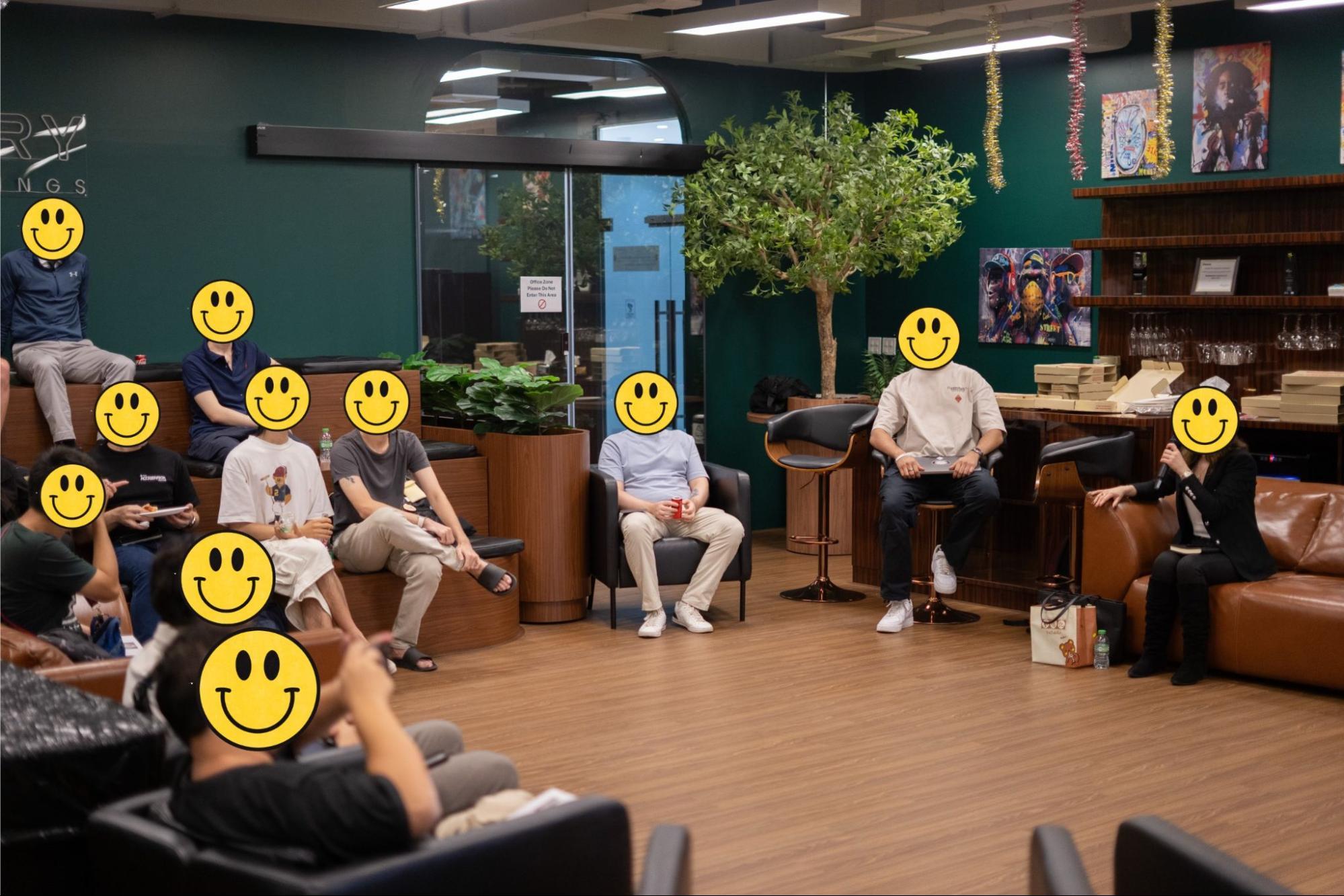
Several Circles met in cities around the world and online in February:
- Brussels: Met during FOSDEM to discuss the Logos vision, gather feedback, and explore potential local winnable issues. Next steps include improving outreach and strengthening collaboration with existing communities.
- Lisbon: Discussed progress on the Quinta do Mocho community garden, including verbal approval from the Freguesia and planning for a future volunteer day. Next steps include securing written approval, organising resources and donations, and involving local residents and associations in the project.
- Ghana: Awaiting update.
- Benin: Discussed unreliable electricity and explored solutions such as community solar hubs. Next steps include researching affordable solar options and launching a Zeqah study group for University of Benin students.
- Abuja: Brought together participants to discuss the ideas behind Logos and connect with others interested in decentralised technology and community building.
- Bangkok: Awaiting update.
- Lagos: Awaiting update.
- Monerotopia (Mexico City): Discussed democratic accountability challenges and explored blockchain solutions for citizen voting and public-budget transparency. Next steps focus on refining the ideas and evaluating an existing Ethereum public goods dapp.
- Los Angeles: Discussed homelessness in LA and explored transparency tools for tracking municipal spending and direct-aid systems. Progress was also made on the architecture for a whistleblowing app, with members stepping into technical and growth roles and follow-up work sessions planned.
- Prague: Awaiting update.
- New York City: Awaiting update.
- Porto: Discussed progress on a proposed app designed to help survivors of domestic abuse safely exit dangerous situations and access support. Next steps include connecting with developers to build the different components and continuing technical discussions in upcoming dev sessions.
- London: Discussed the Digital Rights Hub campaign and broader issues around digital identity, privacy awareness, and who is excluded from digital rights conversations. Next steps include refining the campaign’s target audience and developing educational resources to improve digital rights awareness and engagement.
- Florianópolis: Awaiting update.
- Mexico City: Awaiting update.
- Enugu: Continued discussions on mental health awareness and National Identity Number ID exposure and exploitation, developing a framework for their first winnable issue to be shared on the forum.
- Online: Online Circles meet weekly, offering a collaborative space where Circle participants can discuss their projects and gain deeper insight into the Logos mission. Join the conversation every Tuesday for the English language Online Circle or Wednesdays for the Spanish language Circle.

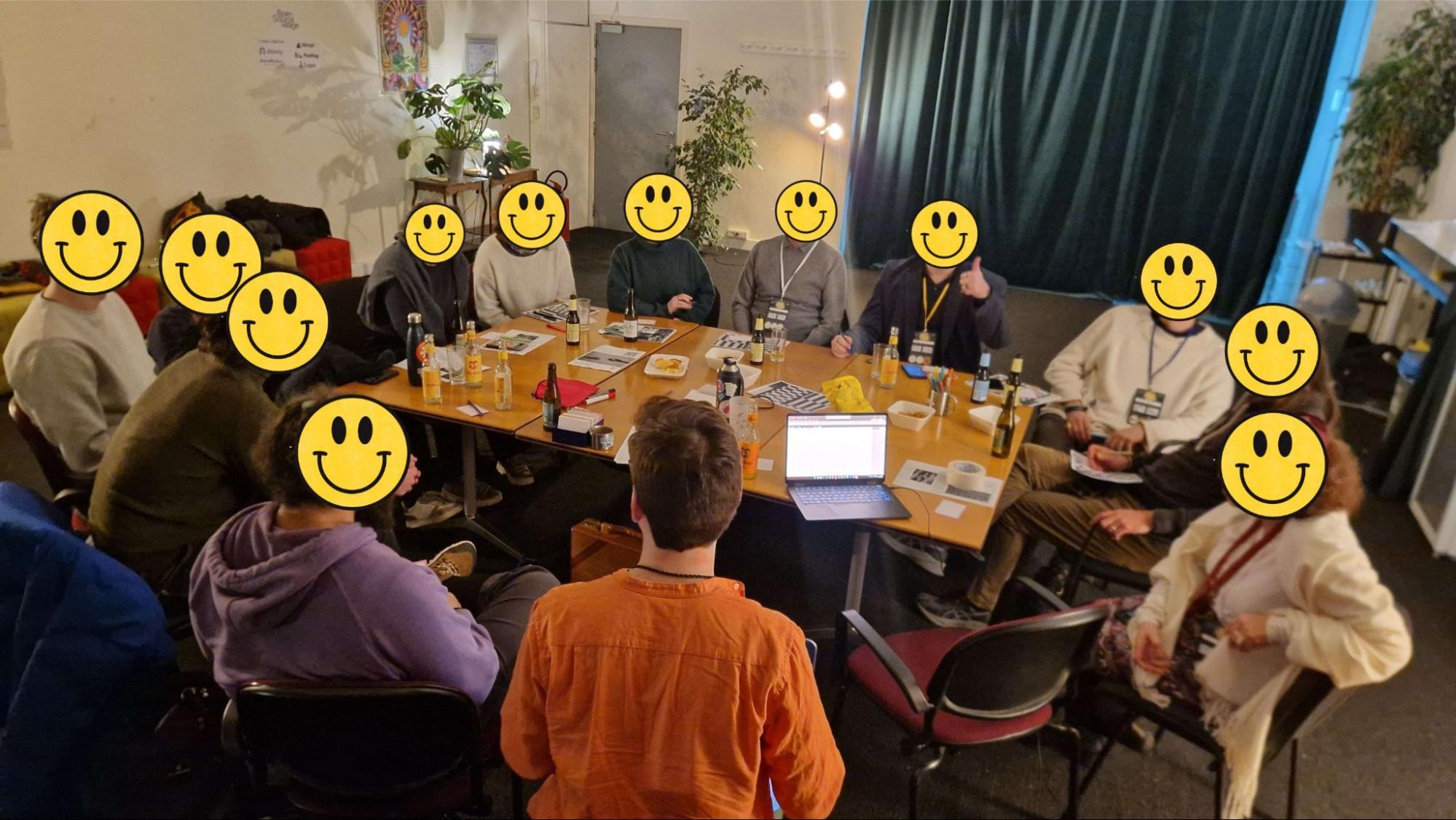
In March, Circles will meet in:
- Lisbon (Parallel Society Warmup – 4 March): Get involved.
- Parallel Society 2026 (6 March): Circle Stewards will be there to share best practices and align. Get involved.
- Abeokuta (7 March): Get involved.
- Ebonyi (14 March): Get involved.
More March Circles are still in the planning stages; be sure to check the Logos events calendar for Circles near you.
If there isn’t a Circle in your area, start one! Let us know your plans on the Contribute Portal.
Tech stack highlights
The Logos Testnet v0.1 remains under active development and is designed to validate the core backend infrastructure rather than deliver a polished user or developer experience.
The primary focus is on testing the Blockchain implementation, including the Logos Execution Zone (LEZ), alongside foundational features of the Storage and the Messaging stack. UX and DevEx are intentionally limited, and developers can build and test applications on Logos Core using simple, alpha-stage interfaces.
If you haven’t already signed up to run a node on Testnet v0.1, what are you waiting for? Do it now.
New Logos Improvement Proposal System
February also saw the implementation of Logos Improvement Proposals (LIPs). The system replaces the previous RFC process and aims to bring greater transparency and organisation to Logos’s technical development.
On the site, you’ll see an index of open LIPs, a guide to making contributions, and sections for current LIPs for each of the Logos technical subteams. Check it out here.
New community idea board
Supporting the LIP system is our new community idea board. If you think of something cool that should be deployed on the Logos stack, head to the board and propose your idea. If it’s popular and feasible, the Logos community will start work on it!
Further technical details are covered in the full technical developer update on Logos Press Engine.
February’s community champions
Just as technology has no purpose without the people who bring it to life, Logos is defined by its community. Each month, we highlight those who build alongside us, amplify our mission, or contribute to the movement in meaningful and lasting ways.
Here are February’s community champions:
- Syndrome for their help with the Logos Zine and other design tasks.
- Alisher for overhauling the Logos Zine in record time – grab one at Parallel Society (a print-friendly version of each zine will be online very soon, too).
- Corey, Mariana, and Bathang for their contributions to Logos Press Engine.
- All those listening in or taking part in a Logos Broadcast Network stream.
- All the Logos Circles stewards and attendees.
- Everyone who’s going to Parallel Society – see you soon!
- Anyone who has posted or talked to friends about Logos in February.
Blockchain-based governance is inevitable and starts from the ground up. We need developers, designers, writers, and all forward-thinkers to help us shape what comes next. Contribute to the movement today and help pave a brighter path forward for us all.
Discussion
Dr. Corey Petty
Logos
Logos
Logos
Logos
Logos
Logos
Logos
Logos
Logos
Logos
Logos